What Businesses Should Know About Commercial Septic and Sewer System Installation
Businesses seeking commercial septic and sewer system installation typically want reliable solutions, and local service providers can help ensure proper setup and compliance.
Understanding what businesses should know about commercial septic and sewer system installation is essential for property owners planning to expand or upgrade their facilities. Properly installed systems ensure reliable waste management, help avoid costly disruptions, and maintain compliance with local regulations. This topic is particularly relevant for those who are developing new commercial spaces, renovating existing buildings, or managing properties where existing sewer infrastructure may not meet the demands of the business. Local contractors specializing in commercial septic and sewer system installation possess the expertise to guide property owners through the process, ensuring that systems are designed and installed to meet specific operational needs.
Exploring this subject can also help business owners make informed decisions about infrastructure investments that support long-term growth. Whether dealing with challenging site conditions or planning for future expansion, understanding the basics of system installation can prevent issues before they arise. Local service providers are equipped to handle a variety of installation projects, offering tailored solutions that align with the unique requirements of each property. Keeping informed about what is involved in commercial septic and sewer system installation empowers property owners to work effectively with experienced professionals, ensuring the infrastructure supports their business operations efficiently and reliably.
Get Quotes for Commercial Septic And Sewer System Installation
- Commercial septic system installation - businesses establishing or upgrading facilities on sites without existing sewer connections often need this service, which local contractors approach with site-specific planning.
- Sewer system installation - new commercial properties or those expanding their footprint may require sewer line installation, with local service providers assessing soil conditions and ensuring proper drainage.
- Septic tank setup and connection - facilities in remote or rural areas depend on septic tanks, and local pros focus on proper placement and compliance with local regulations.
- Drainage system installation - businesses experiencing drainage issues or planning new infrastructure seek expert installation to prevent future problems, with local contractors customizing solutions.
- Septic and sewer system troubleshooting - existing systems showing signs of failure or inefficiency prompt businesses to contact local pros for assessment and necessary repairs or upgrades.
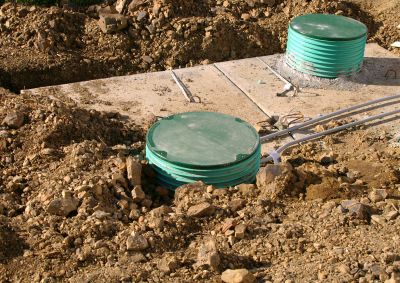
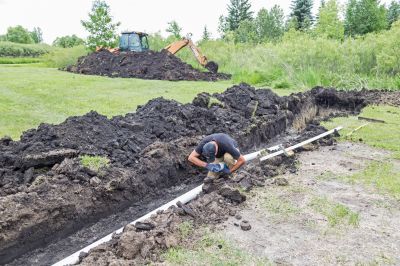
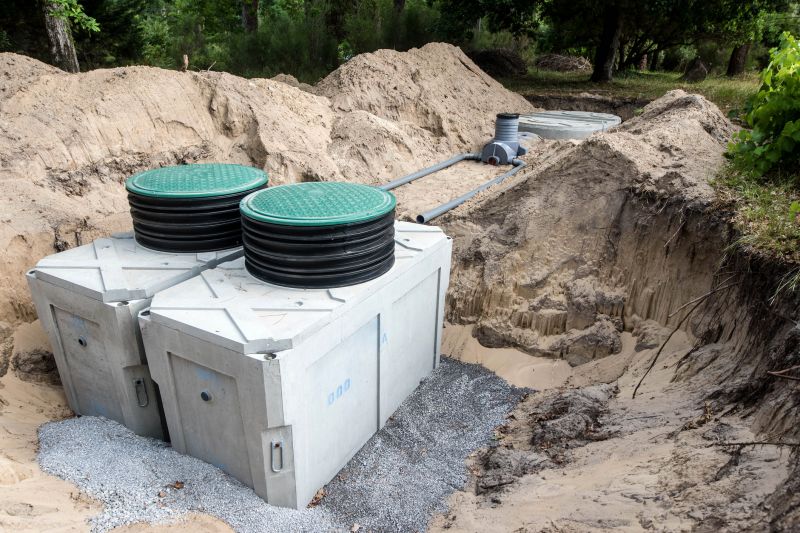
When searching for information on commercial septic and sewer system installation, most people are looking to understand the basics of what this process involves and why it might be necessary for their business property. This topic often comes up during the planning stages of new construction, renovations, or expansions where existing waste management infrastructure needs to be upgraded or replaced. Business owners want to know how septic and sewer systems work together with their property’s layout, what permits or regulations might apply, and what factors influence the choice between installing a septic system or connecting to a municipal sewer. Clear, practical insights into these aspects help businesses make informed decisions about their property’s waste management needs.
This subject is closely related to a variety of operational and planning challenges that businesses face. For example, companies in the hospitality, healthcare, or industrial sectors often require reliable waste disposal solutions to meet health and safety standards. Problems such as wastewater backups, system failures, or inadequate capacity can disrupt operations and lead to costly repairs or compliance issues. Additionally, plans for new developments or property renovations often include considerations for installing or upgrading septic and sewer systems to ensure long-term functionality. Understanding the scope of work involved, as well as how local service providers can assist, is essential for managing these challenges effectively.
The types of properties that typically come up in discussions about commercial septic and sewer system installation include retail centers, office buildings, manufacturing facilities, restaurants, and hotels. These properties often have higher wastewater output and require systems designed to handle larger volumes compared to residential setups. Rural or remote properties without access to municipal sewer lines are also common candidates for septic system installation. Local contractors specializing in commercial waste systems are familiar with the specific requirements for each property type, helping business owners select and install the appropriate system to meet their operational needs and comply with local codes.
Understanding what businesses should know about commercial septic and sewer system installation involves recognizing how these systems fit into the broader infrastructure of a property. Proper installation not only ensures efficient waste management but also impacts the property’s overall functionality and compliance with health regulations. Local service providers are equipped to handle a range of commercial projects, from initial assessments and system design to installation and ongoing maintenance. Connecting with experienced contractors helps businesses navigate the complexities of waste system installation, making sure the chosen solutions are reliable, compliant, and tailored to the specific demands of the property and its operations.
Stormwater Drainage Projects - These projects involve installing systems to manage runoff water, requiring knowledge of underground piping and site planning similar to sewer system installation.
Commercial Plumbing Installations - Installing large-scale plumbing networks for businesses shares skills with sewer and septic system setup, including trenching, pipe fitting, and system layout.
Underground Utility Installations - Laying underground utilities such as water lines or electrical conduits involves planning and excavation techniques comparable to those used in sewer system projects.
Wastewater Treatment System Setup - Setting up onsite wastewater treatment units requires understanding of soil conditions and system connections, akin to septic system installation considerations.
Site Preparation and Excavation - Preparing commercial sites for construction involves excavation and grading skills that are essential for proper sewer and septic system installation.
Drainage System Design - Designing effective drainage solutions involves planning underground piping and water flow management, paralleling the expertise needed for sewer system projects.
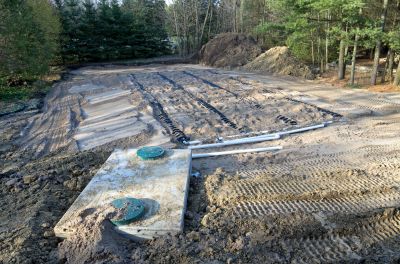
When evaluating service providers for commercial septic and sewer system installation, it’s important for business owners to consider the experience of local contractors with similar projects. An established contractor who has handled installations comparable in size and complexity can offer valuable insights into potential challenges and best practices. This experience helps ensure the contractor understands the unique needs of a commercial property and can deliver a solution that meets operational demands effectively. Asking for details about past projects similar to the scope of the current work can provide reassurance that the contractor has the necessary background to handle the installation professionally.
Clear written expectations are essential when choosing a commercial septic and sewer system installation service provider. A reputable local contractor should be able to provide detailed proposals outlining the scope of work, materials to be used, and the timeline for completion. Having this information in writing helps prevent misunderstandings and sets a foundation for accountability. It also allows business owners to compare proposals more effectively and ensure that all aspects of the project are adequately addressed before work begins. Clear expectations contribute to a smoother process and help establish a transparent working relationship from the outset.
Reputable references and effective communication are key factors when selecting local service providers for septic and sewer system installation. Speaking with previous clients or reviewing references can offer insights into the contractor’s reliability, quality of work, and ability to meet deadlines. Good communication practices-such as responsiveness to questions and clarity in explanations-are equally important, as they facilitate a collaborative process and help address any concerns promptly. Choosing a contractor known for transparency and open dialogue can lead to a more positive experience and increase confidence that the project will be completed to expectations.
Get a Quote for Commercial Septic And Sewer System Installation
Property owners often search for what businesses should know about commercial septic and sewer system installation when they are planning practical projects around their homes and businesses. Local pros provide Commercial Septic and Sewer System Installation services for everyday jobs and straightforward project options.
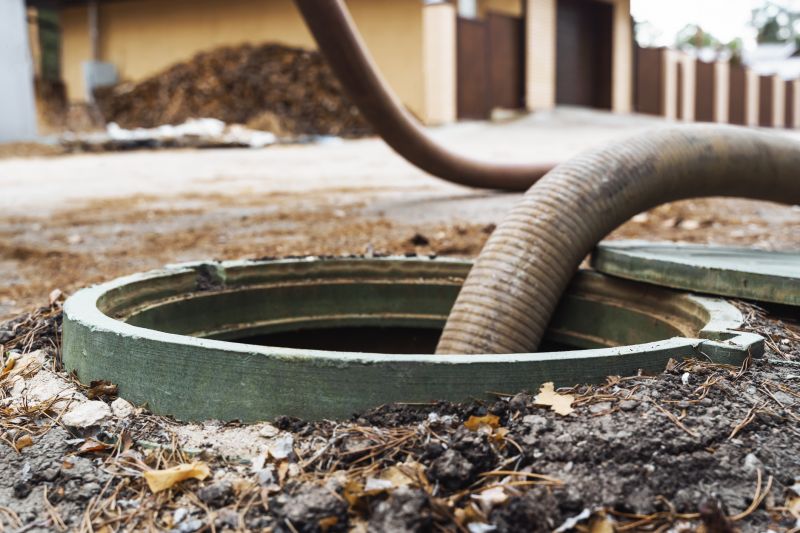
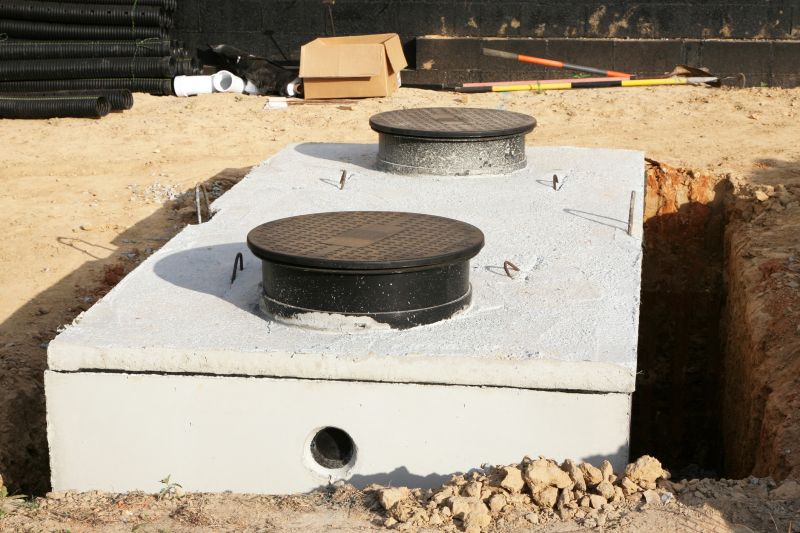
Understanding the essentials of commercial septic and sewer system installation can be a key consideration for business owners planning new construction or upgrading existing facilities. Many property owners in the area seek out local contractors when they need to ensure their systems are properly designed and installed to meet specific operational needs. Whether establishing a new restaurant, retail space, or industrial site, knowing the basics about septic and sewer systems helps businesses make informed decisions and recognize when professional installation services are necessary to avoid future issues.
For those unfamiliar with the process, it’s important to know that proper installation involves more than just digging trenches and connecting pipes. Local service providers have the expertise to evaluate site conditions, determine appropriate system sizes, and handle the technical aspects of installation to ensure compliance with local regulations. This can help prevent costly disruptions or system failures down the line. Businesses often turn to experienced contractors to handle these projects, ensuring that their commercial systems are set up efficiently and reliably to support daily operations.
Get a Quote for Commercial Septic And Sewer System Installation
What are the key considerations for businesses when planning for commercial septic and sewer system installation? Businesses should evaluate their property’s size, usage needs, and local regulations to determine the appropriate system type and capacity. Consulting with experienced service providers can help identify suitable solutions that meet operational demands and compliance standards.
Why is site assessment important before installing a commercial septic or sewer system? Site assessments help identify soil conditions, groundwater levels, and space constraints, which are critical factors in designing an effective and reliable system. Local contractors can perform these assessments to ensure proper system placement and functionality.
What types of sewer and septic systems are available for commercial properties? Options include traditional septic tanks, aerobic treatment units, and sewer connection systems, among others. Service providers can advise on the most suitable system based on property size, usage, and local codes.
How do local service providers ensure proper installation of commercial septic and sewer systems? Experienced contractors follow industry best practices, adhere to local regulations, and use quality materials to ensure the system functions correctly and efficiently from the start.
What maintenance considerations should businesses keep in mind for installed septic and sewer systems? Regular inspections, pumpings, and system monitoring are essential to prevent issues. Local pros can offer maintenance services or guidance to keep systems operating smoothly and avoid costly repairs.
Understanding system capacity - property owners should evaluate their business size and wastewater needs to ensure the septic or sewer system can handle daily demands, with local contractors providing expert assessments.
Choosing the right system type - selecting between septic tanks, sewer connections, or alternative solutions depends on property layout and usage, and local service providers can recommend suitable options.
Planning for future expansion - considering potential business growth helps in designing systems that can accommodate increased wastewater volume, with local pros offering flexible installation options.
Ensuring proper site preparation - preparing the property according to local codes and soil conditions is essential, and experienced contractors can assist with site assessments and installation planning.
If you are thinking about what businesses should know about commercial septic and sewer system installation for a property, this guide is meant to help you understand this topic, the typical project types, and how different options might fit your plans.
When you are ready, you can use the quote form on this page to share a few details about your project. From there, local pros can review the basics and follow up with options that match what you have in mind.
Get a Quote for Commercial Septic And Sewer System Installation